Culturally safe and affirming practice
Sneha's tiredness lives inside a web of family obligation that a model built elsewhere would call enmeshment. Rowan is grieving family rejection and does not need their identity explained to them. The practice is cultural humility in the room: asking, not assuming, and noticing your own worldview as you go.
Lessons are not part of CounselSim yet. This page previews what we are building, and details may change. Today, CounselSim is practice sessions with the client library, feedback mapped to the standards, and supervisor review.
PACFA competencies (2026)
- 2.17Apply an understanding of the context of Aboriginal and Torres Strait Islander Peoples
- 2.18Culturally safe care and cultural humility
- 2.19Work with sensitivity and respect across all dimensions of diversity
- 2.20Reflect on own identity and worldview; non-discriminatory, anti-oppressive practice
- 2.21Explore with the client the assumptions beneath identity, culture, values and worldview
- 2.22Acknowledge diversity and explore its impact on wellbeing
- 2.28Communicate clearly, in understandable language
- 4.8Empathy, acceptance, cultural humility and respectful curiosity towards diversity
- 4.9Explore with the client how diversity affects the relationship and the process
- 4.10Work therapeutically with diversity and intersectionality, in client and counsellor
- 4.11Understand the person within their family, social and cultural context
ACA Code of Ethics and Practice (v16)
- Non-discrimination and respect for diversity
- The counselling relationship
Planned sessions
4 focused sessions, in development.
Each planned session is one client and one moment. The order and details may change before release.
 Session 1Intermediate
Culturally responsive curiosity
Sneha, 31, a Malayali-Australian pharmacist. Family obligation without pathologising it.
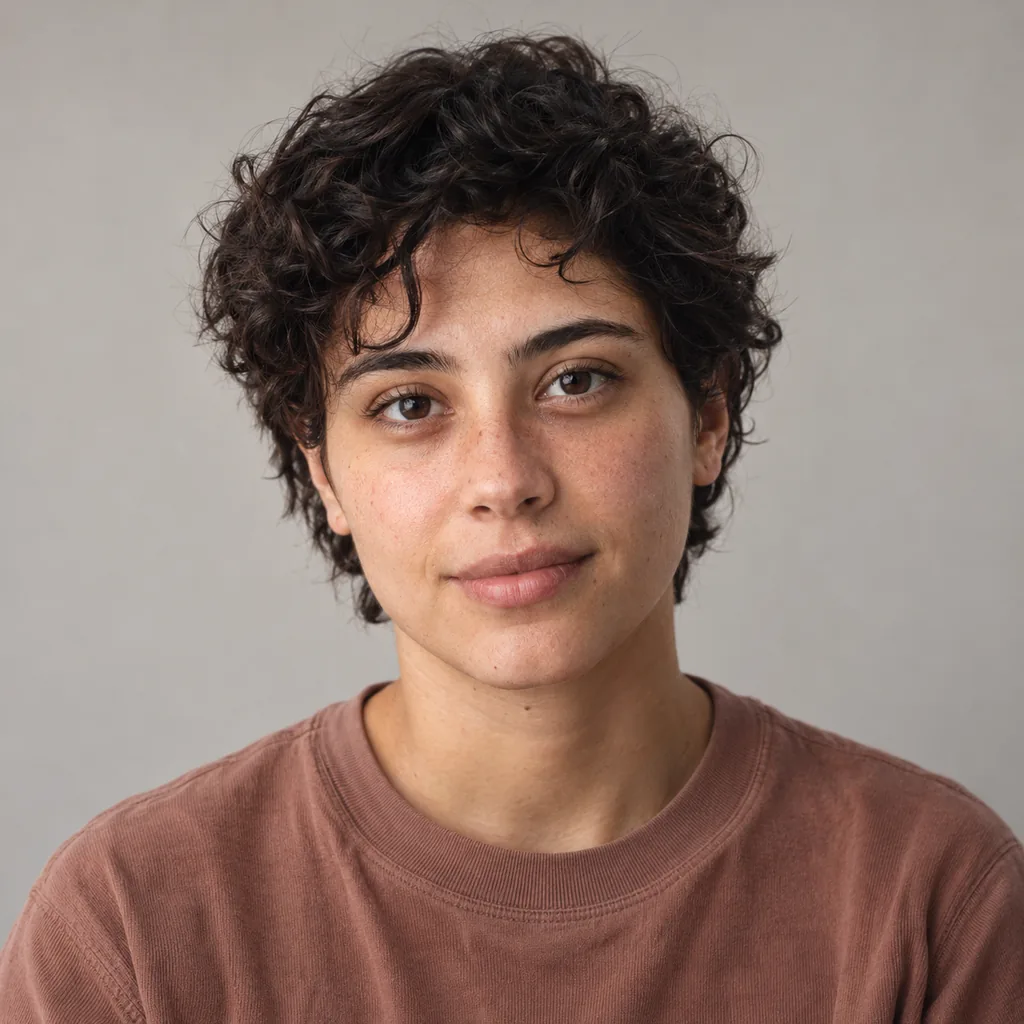 Session 2Intermediate
Affirming practice
Rowan, 22, non-binary, grieving family rejection. Not centring identity as the problem.
- Session 3Coming soon
Working with an interpreter
Keeping the relationship when a third voice is in the room.
- Session 4Coming soon
An Aboriginal or Torres Strait Islander client
Being written with cultural advisors. Not released until they are satisfied.
This lesson is coming soon.
See what CounselSim does today on a demo call, and tell us what your unit needs from the lessons.